

8 Best Event Tech Upgrades That Get Attention
- Emma Frisbie
- 11 minutes ago
- 6 min read

Most events do not have an attendance problem. They have an attention problem. Guests walk in, glance around, take a photo or two, and move on fast. That is why the best event tech upgrades are not just flashy add-ons. They are strategic choices that shape what people notice, remember, and share.
For planners, brands, and hosts, the real question is not whether to add technology. It is which upgrades create visible impact without making the event harder to run. The strongest options combine wow factor with practical value. They hold attention, support the event goal, and still feel easy for guests to interact with.
What makes the best event tech upgrades worth it
A good upgrade changes the room. A great one changes behavior.
That might mean guests stop to film an installation instead of walking past it. It might mean a product launch feels larger than life because the visuals match the ambition. It might mean a wedding reception picks up energy the second a custom display starts playing a couple's story in motion.
The best event tech upgrades tend to do three things well. First, they create a strong visual focal point. Second, they give guests something to react to, not just observe. Third, they fit the event flow instead of competing with it.
This is where many planners get stuck. They see a trending piece of event tech online, but the setup is complicated, the footprint is too large, or the effect only works in a very specific venue. The smarter approach is to choose technology based on guest experience, content potential, and operational fit.
8 best event tech upgrades for modern events
1. Holographic displays
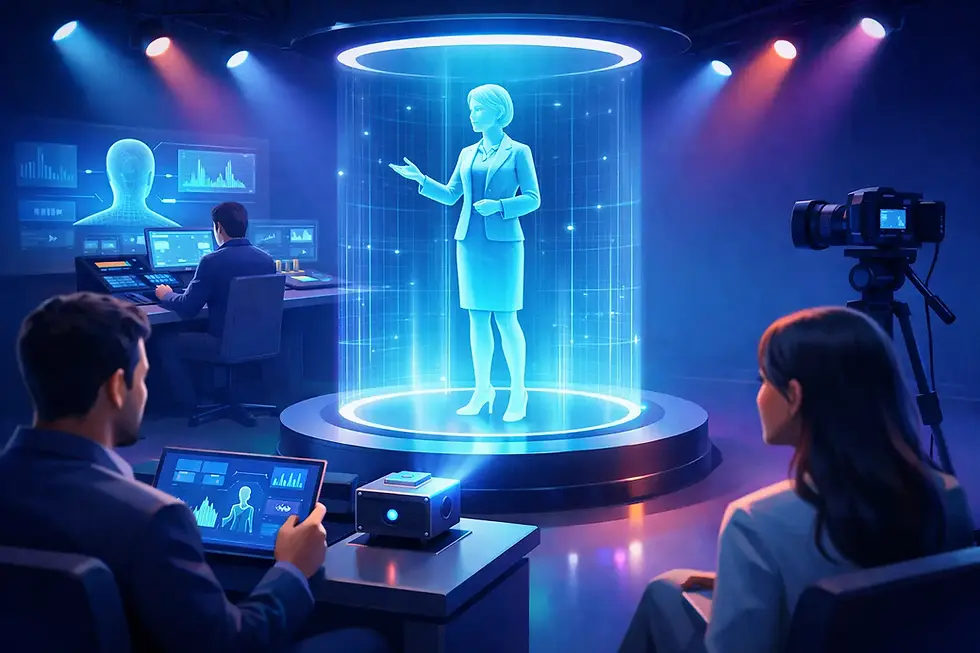
If your goal is immediate attention, holographic displays belong near the top of the list. They create a futuristic visual effect that stands out across weddings, trade shows, retail activations, concerts, and private parties. A product appears to float. A branded animation feels dimensional. A looping visual becomes a crowd magnet instead of background decor.
What makes this upgrade especially strong is range. It can work as a hero installation at an entrance, as a centerpiece behind a stage, or as part of a branded environment where every passerby becomes a potential viewer. For commercial events, it helps products and messages cut through a crowded room. For social events, it turns a familiar setting into something guests have not seen before.
There is a trade-off, though. To get the most from holographic tech, the content needs to be designed with the display in mind. Generic video will not deliver the same effect as custom visuals built for motion, depth, and repetition. The payoff is worth it when the goal is memorability, shareability, and a premium presentation.
2. Interactive LED walls
LED walls have become a go-to event upgrade for a reason. They are flexible, bright, and adaptable to many event types. You can use them for branded backdrops, stage visuals, countdowns, sponsor moments, or dynamic photo areas.
The better use case is not simply putting a large screen in the room. It is turning that screen into part of the environment. At a corporate event, that might mean animated brand visuals that shift with programming. At a party, it could mean a digital backdrop that changes mood throughout the night.
LED walls work best when they are integrated into the event design rather than treated like an afterthought. If the content is too busy or poorly scaled, the result can feel more distracting than impressive. But when the sizing, placement, and creative are handled well, the impact is immediate.
3. Projection mapping
Projection mapping is one of the most dramatic ways to transform a venue without physically rebuilding it. Walls, stages, facades, and even tables can become moving visual surfaces. That makes it especially useful for launches, galas, and milestone celebrations where the space itself should feel part of the story.
This upgrade shines when you want immersion. A basic ballroom can feel custom-built. A brand reveal can take over an entire room. A wedding can shift from elegant to cinematic in seconds.
It does have more environmental dependencies than some other options. Ambient light, surface quality, and sightlines all matter. If the venue is too bright or the projection angles are limited, the effect can lose strength. It is powerful, but it rewards careful planning.
4. 360 photo and video booths
Not every upgrade needs to dominate the room. Some work best by creating a steady stream of guest participation. That is where 360 booths continue to perform well.
They give guests a built-in content moment, which is valuable for both private hosts and brands. Weddings and parties benefit from the entertainment factor. Corporate activations benefit from social-ready clips that extend the event online.
The caution here is that 360 booths are popular enough that they no longer feel new on their own. To keep them effective, the experience needs strong lighting, branded overlays, or a themed environment around the booth. The booth is the tool. The surrounding creative makes it memorable.
5. Live social media display walls
For events that depend on audience energy, a live social wall can create a useful feedback loop. Guests post, see their content appear on screen, and post again. That works well for conferences, launches, festivals, and branded activations where online reach matters alongside in-room engagement.
This upgrade is less about visual spectacle and more about momentum. It encourages participation and gives attendees a sense that the event is active beyond the physical space.
Still, it is not right for every audience. At a formal wedding or high-end private dinner, a social wall may feel off-brand. It also needs moderation. Without that layer, the experience can quickly feel messy or inconsistent.
6. Intelligent lighting upgrades
Lighting is often underestimated because guests notice the effect more than the equipment. But if you want an event to feel elevated, lighting is one of the best returns on budget.
Color-changing uplighting, programmed cues, spotlighting, and movement can shape mood more quickly than almost any other production choice. It helps define transitions, gives stages more presence, and makes photos look better across the board.
The reason it belongs on this list is simple. Great visuals fail in bad lighting. Even high-impact display technology benefits from a room that supports the effect. If the budget is limited, lighting and one hero tech moment often produce a better result than several disconnected upgrades.
7. Touchscreen kiosks and digital wayfinding
For conferences, expos, and multi-zone corporate events, usefulness matters as much as spectacle. Touchscreen kiosks can help guests check schedules, locate booths, browse product information, or sign up for demos without waiting for staff.
This kind of upgrade does not usually become the star of the event, but it improves how the event functions. That matters when the audience is large, the layout is complex, or the event includes multiple calls to action.
The best version keeps the interface simple. If guests need instructions to use it, the technology is doing too much. Practical event tech should reduce friction, not create a learning curve.
8. Custom audio-visual storytelling moments
Sometimes the strongest upgrade is not a single device. It is a coordinated moment. A timed visual reveal. A synced audio and motion sequence. A brand story that plays with cinematic pacing on a custom display. A tribute video presented in a way that feels immersive instead of expected.
These moments matter because people remember peaks. They remember the product reveal, the first dance visual, the opening sequence, the surprise transition. Technology becomes more valuable when it builds toward something specific.
This is also where professional support makes a big difference. Great equipment without a clear content strategy can feel random. A well-planned storytelling moment gives all the tech a purpose.
How to choose the best event tech upgrades for your event
Start with the outcome, not the equipment. Do you want guests to stop and stare, interact, post, or remember a specific message? Different goals point to different tools.
If the priority is visual impact, holographic displays, projection mapping, and LED walls usually lead the conversation. If the priority is participation, a 360 booth or social wall may make more sense. If the event has operational complexity, kiosks and digital wayfinding may quietly do more work than a dramatic centerpiece.
Budget should guide the scale, not flatten the idea. One standout installation often performs better than several smaller upgrades that compete for attention. It is also smart to think about content early. Screens, projections, and holographic displays all depend on what they show. Strong creative is part of the upgrade, not an extra.
Venue conditions matter too. Ceiling height, power access, ambient light, load-in restrictions, and guest traffic patterns all affect what will work. The best event tech upgrades look effortless to guests because someone accounted for the practical details first.
For planners and brands that want a futuristic visual moment without making the process harder, that is where a specialized partner can change the experience. Companies like VX Holo focus on high-impact displays that feel advanced but remain approachable to execute, which is exactly what many modern events need.
The right tech should make your event feel sharper, more memorable, and more alive. If it gives people a reason to stop, film, talk, and remember, it is doing its job.


Comments